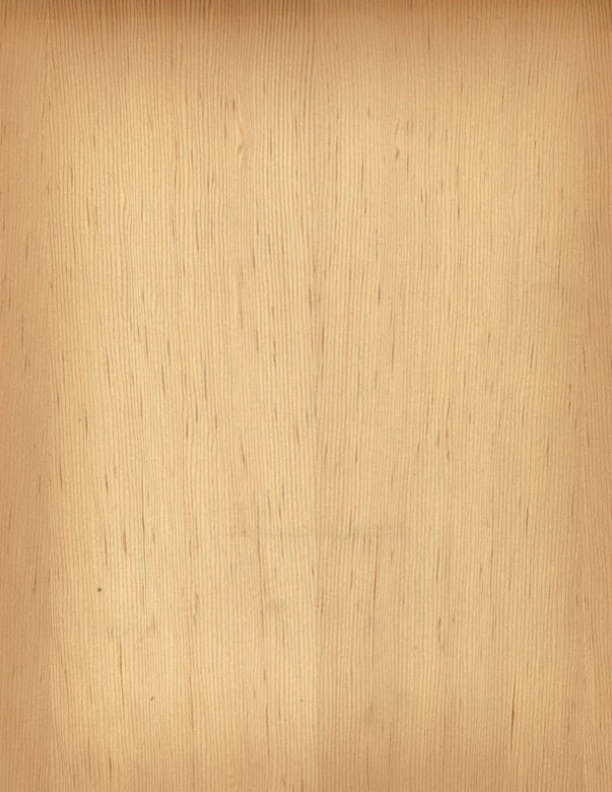
Douglas fir is one of the most widely used softwoods in construction, but not all Douglas fir lumber is the same. The way a board is sawn can have a significant impact on its appearance, stability, and performance.
Vertical grain Douglas fir is a premium cut of Douglas fir valued by contractors, finish carpenters, architects, and woodworkers for its straight grain, clean appearance, and dimensional stability.
If you are looking for vertical grain Douglas fir in Los Angeles, understanding what makes this material different can help you select the right lumber for your next project.
What Is Vertical Grain Douglas Fir?
Vertical grain Douglas fir, sometimes called VG Douglas fir, refers to lumber where the growth rings are oriented nearly perpendicular to the face of the board.
The term “vertical grain” describes the orientation of the grain rather than a different species of wood. It is still Douglas fir, but the board is cut from the log in a way that produces a more vertical, straight-grained appearance.
This sawing method can provide several advantages, particularly for applications where appearance, stability, and finish quality matter.
Vertical grain Douglas fir typically features:
- Straight, consistent grain
- A clean and refined appearance
- Good dimensional stability
- Excellent strength-to-weight characteristics
- A relatively uniform surface for finishing
- A classic warm Douglas fir appearance
Why Choose Vertical Grain Douglas Fir?
One of the biggest reasons woodworkers and finish carpenters choose vertical grain Douglas fir is its stability.
Wood naturally expands and contracts as its moisture content changes. The direction and orientation of the grain influence how significantly a board moves.
Because vertical grain lumber is sawn with the growth rings oriented more vertically across the face, it generally experiences less visible movement across the width of the board than flat-sawn lumber.
That makes vertical grain Douglas fir an attractive choice for applications where maintaining a clean appearance is important.
Vertical Grain vs. Flat Grain Douglas Fir
The primary difference between vertical grain and flat grain Douglas fir is the orientation of the growth rings.
Flat grain, also called plain-sawn lumber, generally has growth rings that run more parallel to the wide face of the board. This produces the familiar cathedral-style grain pattern found in many wood products.
Vertical grain lumber has growth rings oriented more perpendicular to the face of the board. This produces a straighter, more consistent grain pattern.
The difference is easy to appreciate when the two cuts are placed side by side.
For projects where the grain pattern will be highly visible, vertical grain Douglas fir can provide a more refined and consistent appearance.
Where Is Vertical Grain Douglas Fir Used?
Vertical grain Douglas fir is particularly useful in applications where both performance and appearance are important.
Common applications include:
Doors and Door Components
Douglas fir has long been used for doors and architectural woodwork. Vertical grain lumber can provide a clean appearance while helping create components that remain stable through changes in temperature and humidity.
Trim and Finish Carpentry
Vertical grain Douglas fir is a popular choice for interior and exterior trim, especially when the natural appearance of the wood is part of the design.
Its straight grain can produce a particularly attractive finished product when the lumber is clear-coated or stained.
Architectural Millwork
Architects and millworkers may specify vertical grain Douglas fir for custom architectural details, including:
- Wall paneling
- Trim
- Casings
- Columns
- Decorative elements
- Built-ins
- Custom millwork
Furniture and Woodworking
Although Douglas fir is generally associated with construction lumber, high-quality vertical grain material can also be used for certain furniture and woodworking projects.
Its distinctive grain and warm color can create a beautiful natural finish, particularly when paired with careful milling and finishing.
Siding and Exterior Applications
Douglas fir has excellent structural properties and has historically been used extensively in exterior construction. Properly selected and finished vertical grain material can also be used for certain siding and exterior architectural applications.
As with any exterior wood product, the appropriate grade, treatment, design, and finish should be selected based on the specific application and exposure conditions.
What Does Vertical Grain Douglas Fir Look Like?
One of the easiest ways to identify vertical grain Douglas fir is by looking at the grain pattern on the face of the board.
Instead of the pronounced cathedral pattern commonly associated with flat-sawn lumber, vertical grain Douglas fir tends to have a straighter, more linear appearance.
The wood typically ranges from light tan to reddish-brown, with noticeable contrast between the earlywood and latewood.
When clear-coated, the grain can become particularly prominent, making vertical grain Douglas fir a good choice when you want the natural character of the wood to remain visible.
Is Vertical Grain Douglas Fir Strong?
Douglas fir is well known for its strength and has been used extensively in structural construction throughout the western United States.
However, it is important to distinguish between grain orientation and structural grade.
Vertical grain does not automatically mean that a particular piece of lumber has a specific structural grade or load-bearing capacity. The grade, dimensions, moisture content, defects, and intended use all matter when selecting structural lumber.
If your project requires lumber for a structural application, talk with your lumber supplier about the appropriate species, grade, dimensions, and applicable building requirements.
Is Vertical Grain Douglas Fir More Expensive?
Generally, vertical grain Douglas fir can cost more than standard flat-sawn Douglas fir.
The reason is largely related to how the lumber is sawn and selected. Producing a higher proportion of vertical grain material from a log can result in greater waste and requires more selective processing.
However, the additional cost can make sense for projects where appearance, stability, and finish quality are important.
For a high-end finish carpentry or architectural project, choosing the right cut of lumber at the beginning can help produce a better finished result.
How Should Vertical Grain Douglas Fir Be Finished?
Vertical grain Douglas fir can be left natural, clear-coated, stained, painted, or incorporated into a variety of architectural finishes.
If you want to showcase the natural grain, a clear finish can emphasize the contrast between the lighter and darker portions of the wood.
Before applying a finish, proper surface preparation is important. The lumber should be appropriately acclimated for the project and prepared according to the requirements of the selected finish.
For exterior applications, the finishing system should also be selected with the environmental exposure and intended service life in mind.
Choosing the Right Douglas Fir for Your Project
When purchasing Douglas fir, don’t just look at the species. Consider the grade, grain orientation, dimensions, moisture content, appearance requirements, and intended application.
For example, a contractor building a structural component may have very different requirements from a finish carpenter creating custom interior millwork.
If appearance is a priority, ask your lumber supplier specifically about vertical grain or appearance-grade Douglas fir.
An experienced lumber supplier can help you compare available grades and cuts and determine which material is appropriate for your project.
Buy Vertical Grain Douglas Fir in Los Angeles
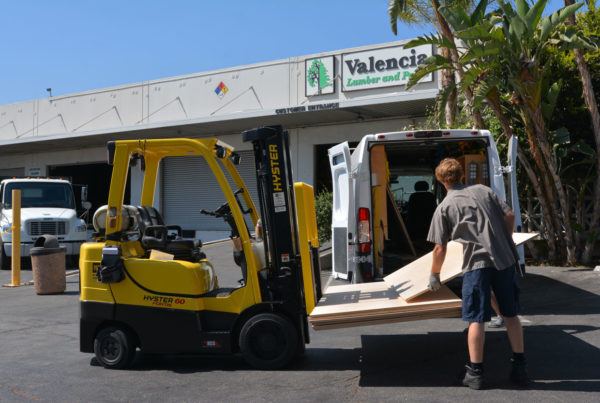
Finding the right lumber can make a significant difference in the quality of a finished project. At Valencia Lumber & Panel, we work with contractors, cabinetmakers, furniture builders, finish carpenters, and other woodworking professionals throughout Los Angeles.
Our lumber yard in Van Nuys provides access to a wide selection of hardwood lumber, softwood lumber, plywood, panels, decking materials, mouldings, and other building materials.
Whether you’re looking for vertical grain Douglas fir for architectural millwork, finish carpentry, doors, furniture, or another woodworking project, our knowledgeable team can help you find the right material for the job.
We are committed to providing the right product, on time, and on grade.
Visit our lumber store at 15809 Strathern St. in Van Nuys, CA, or call Valencia Lumber & Panel at (818) 786-5800 to discuss your material needs.
Frequently Asked Questions About Vertical Grain Douglas Fir
What does vertical grain mean in Douglas fir?
Vertical grain means the growth rings are oriented approximately perpendicular to the face of the board. This creates a straighter grain appearance and can provide greater dimensional stability across the board’s width.
Is vertical grain Douglas fir better than flat grain?
Neither is universally better. Vertical grain Douglas fir is often preferred for applications where appearance and dimensional stability are important, while flat-sawn Douglas fir may be a more economical choice for many construction applications.
Can vertical grain Douglas fir be used outdoors?
It can be used for appropriate exterior applications when the correct grade, design, installation, and protective finish are selected. Always consider the project’s exposure and specific requirements.
Where can I buy vertical grain Douglas fir in Los Angeles?
Valencia Lumber & Panel is a lumber supplier in Van Nuys serving contractors, woodworkers, finish carpenters, and construction professionals throughout Los Angeles and surrounding areas. Contact the lumber yard to ask about current availability and suitable grades.